
Dr. Arun Gupta is a senior orthopaedic consultant and robotic knee replacement surgeon performing joint replacement and arthroscopic surgeries of knee and shoulder joints. He has performed thousands of total and partial knee replacement surgeries, including primary, revision and unicondylar procedures.
His deep expertise in arthroscopic and shoulder reconstruction procedures brings a precise, patient-first approach to every case. With advanced robotic planning and minimally invasive techniques, he helps patients return to an active and pain-free life with improved confidence and mobility.

The procedure for total knee replacement has advanced rapidly with new materials, improved biomechanics and superior planning systems. Accurate alignment of the implant and soft tissue balancing is essential for long-term function and comfort. Robotic technology strengthens precision where manual guides have practical limitations.

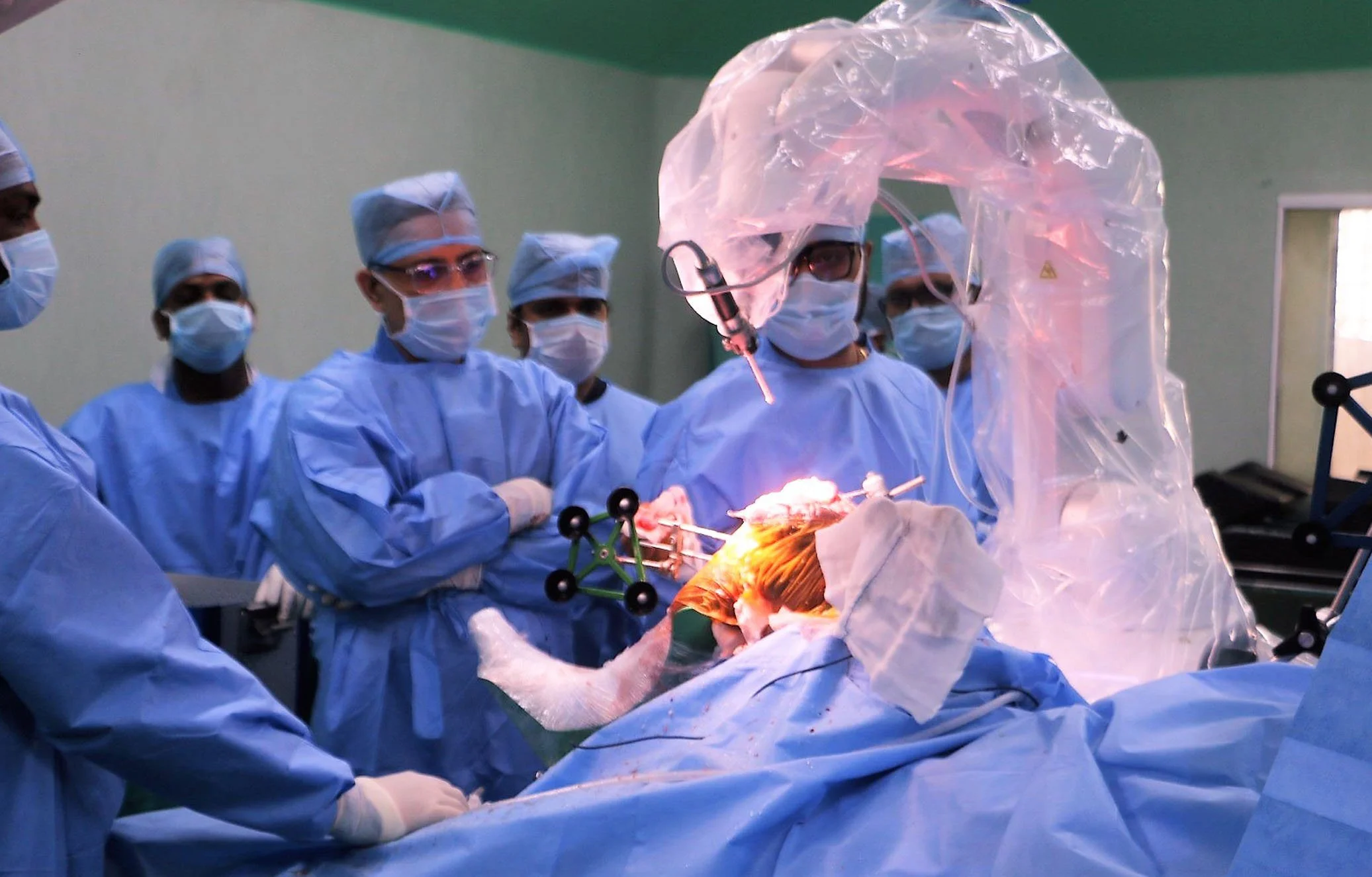
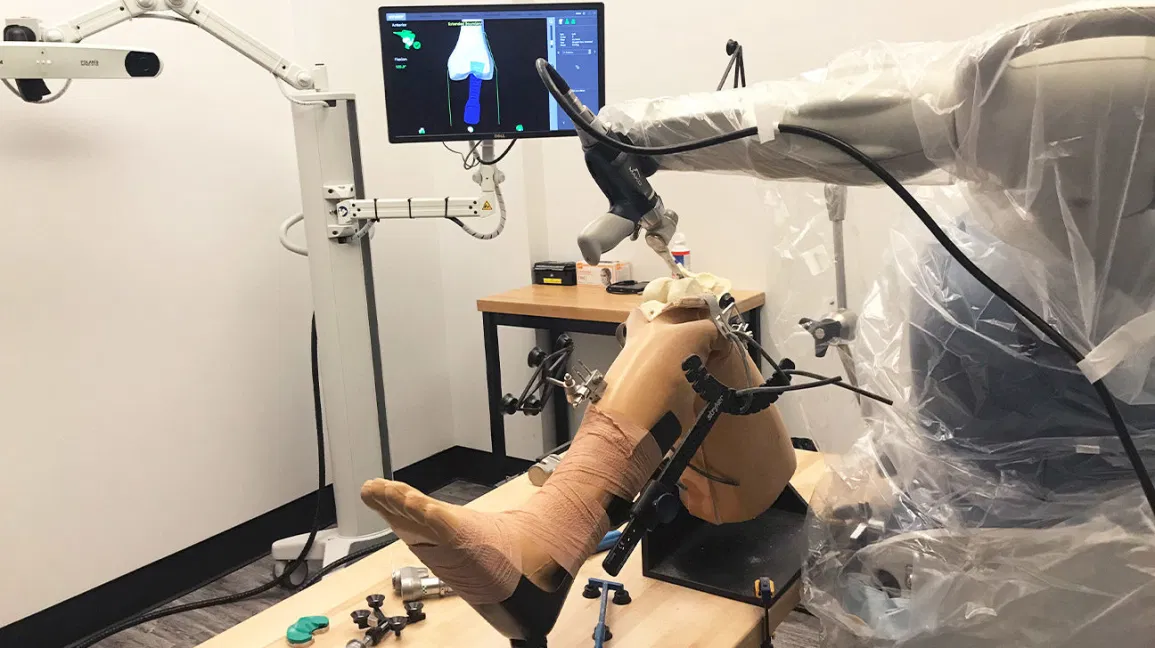
Computer-assisted surgery was introduced to improve precision and reduce errors in conventional procedures. Robotic systems now support 3D pre-planning, virtual mapping and highly accurate bone preparation for more predictable outcomes.
During surgery, real-time data helps the surgeon execute the plan with sub-millimeter control while protecting nearby soft tissues. This improves alignment, stability and overall patient experience after surgery.
In knee replacement surgery, the damaged arthritic surface of the knee is removed and replaced with a prosthetic joint. In robot-assisted replacement, CT-based 3D mapping helps create a customized surgical plan. The robotic arm then supports accurate bone cuts and precise component placement according to patient anatomy.
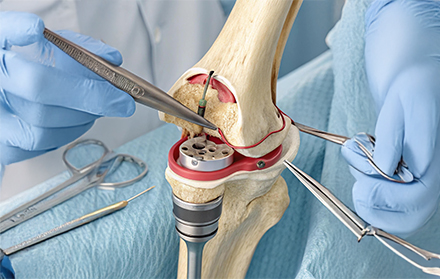
Modern knee replacement robotic systems are broadly categorized as passive, semi-active and active systems. The distinction depends on how much autonomy the robotic platform provides and how much manual control the surgeon retains. Advanced systems guide fixation and resection with greater stability and reproducibility.
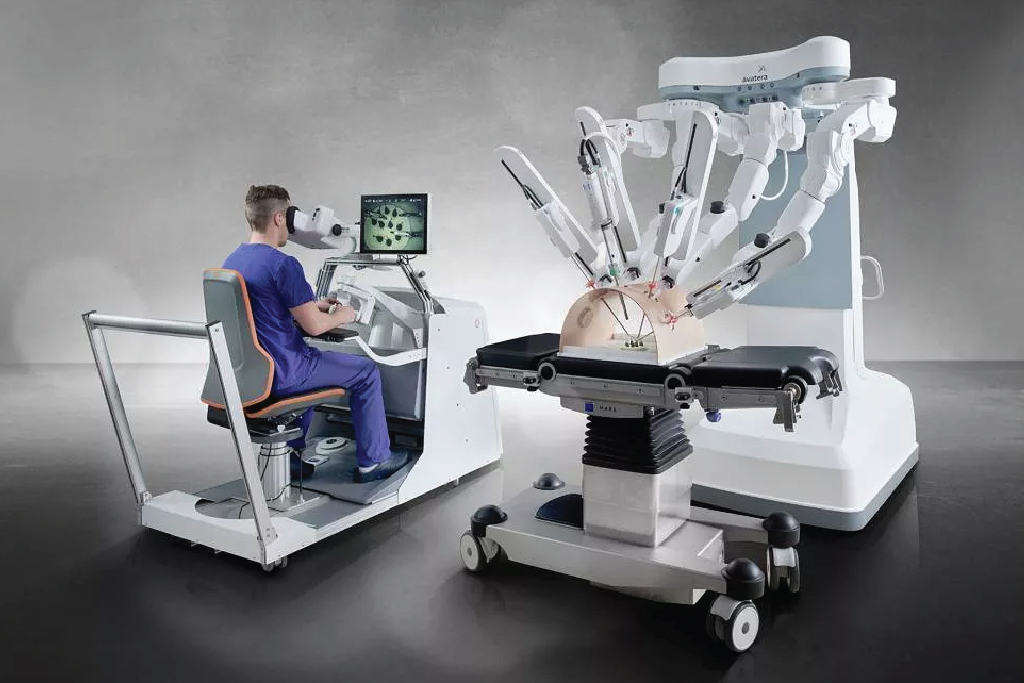
Each knee has unique anatomy. Robotic planning allows personalized surgery by using detailed 3D imaging to define implant size, alignment and movement targets before the operation begins.
What’s as important as the precise surgical plan is to select and insert the personalized artificial joint. The doctor uses robot to select an artificial joint for the patient and insert it accurately.
The robotic system executes bone preparation according to planned dimensions with very high accuracy, helping optimize leg axis and implant positioning for durable outcomes.
Reduced tissue trauma, improved balance and better planning can lower complications such as excessive blood loss, instability and revision risk compared with less precise approaches.

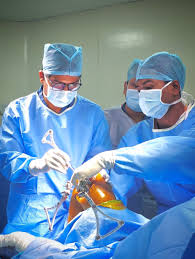
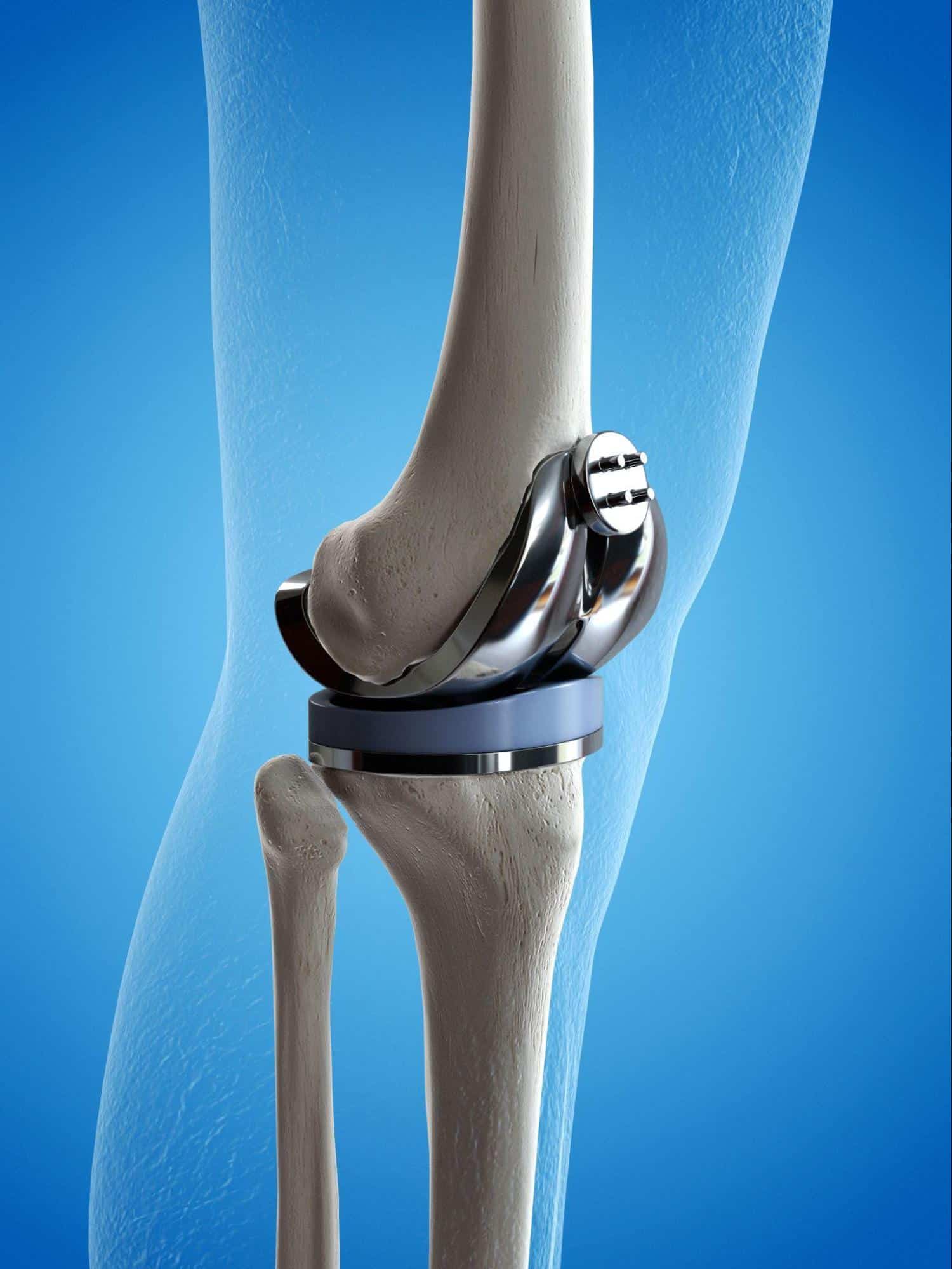
The key advantages of robotic knee replacement come from comprehensive pre-operative planning, intra-operative monitoring, and patient-specific intervention for better functional outcomes.

Patient selection
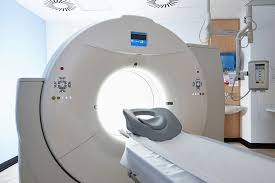
CT Scan
Pre-Surgical Planning

Surgical Implementation
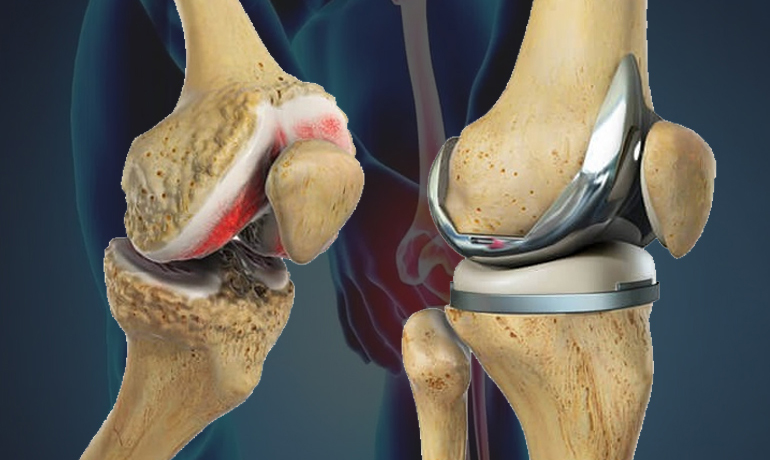
Recovery and Rehabilitation
Patient Consultation: Patients can decide on robotic artificial joint surgery after specialist consultation.
CT Scan: Detailed CT scan of knee joints for 3D modeling and surgical simulation.
Pre-Surgical Planning: The scanned data is converted into a planning model to finalize size, angle and position.
Surgical Implementation: The surgeon verifies registration and the robotic platform supports precision resection based on plan.
Implant Placement: Implant is inserted and fixed according to personalized alignment and stability checks.
 (+91)
95681 39362
(+91)
95681 39362 info@drarungupta.in
 Ojas
Hospital, Near Petrol Pump, Kamla Nagar, Agra, Uttar Pradesh
- 282005
Ojas
Hospital, Near Petrol Pump, Kamla Nagar, Agra, Uttar Pradesh
- 282005